Kitt Peak · Mt Lemmon · Flandrau · The Free Desert — Compared Honestly
Tucson's Observatories, Compared
Tucson wrote the world's first dark-sky law in 1972 and put a ring of observatories on its mountains. This site prices them against each other — and the bookable one is the premium night at the national observatory: Dark Sky Discovery, $109 with free cancellation.
- 1972 World's First Dark-Sky Ordinance
- Guided Evening Sky Program
- Free Cancellation
The Experience
What the Premium Night Includes
From the observatory's listing — the Dark Sky Discovery program.
Highlights
- Learn to identify stars and constellations with expert guidance
- Enjoy a light meal and explore astronomy exhibits at the Visitor Center
- Experience an intimate, small-group setting for personalized stargazing
What's Included
- Entry to Kitt Peak National Observatory
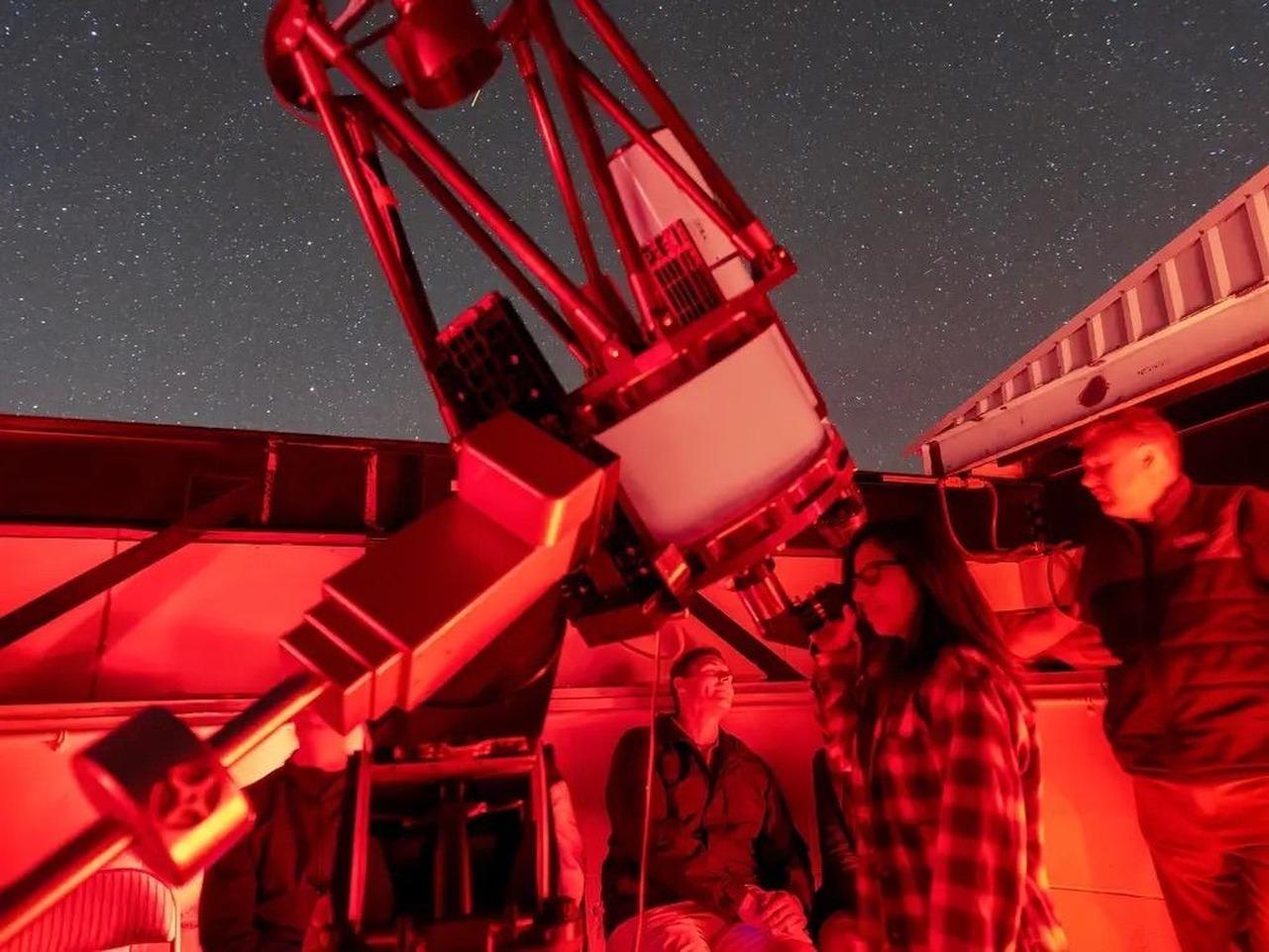
- Guide-led night sky program
- Telescope viewing session
- Light meal (turkey, vegetarian, or gluten-free sandwich)
How to Pick Your Observatory Night
Four steps from comparison to eyepiece.
Pick the Mountain
Bookable-tonight astronomy lives at Kitt Peak; the SkyCenter sells its 28 seats direct and pauses seasonally; Flandrau is the in-town, any-weather dome. Our homepage table prices all three.
Play the Moon, Not Just the Date
Dark half of the lunar month for the Milky Way; bright half — book the full-moon program instead of fighting it.
Book With a Weather Exit
Kitt Peak confirms each night at noon and your ticket cancels free to 24 hours — the desert's afternoon clouds stop being a gamble.
Drive Out in Daylight
Both mountains are about 90 minutes out. Fuel in town, layers in the bag — the summits run far colder than the valley.
Photo Gallery
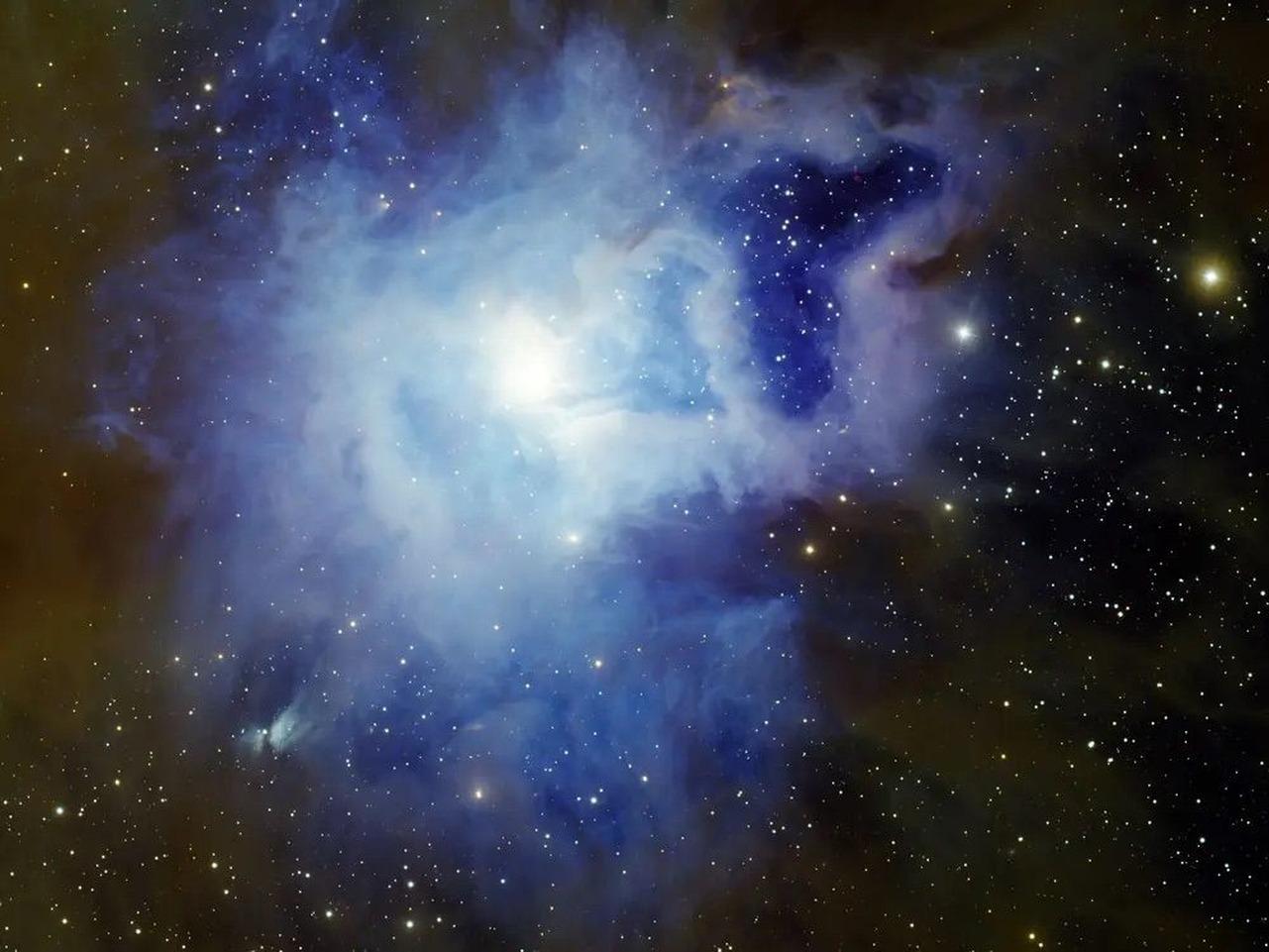
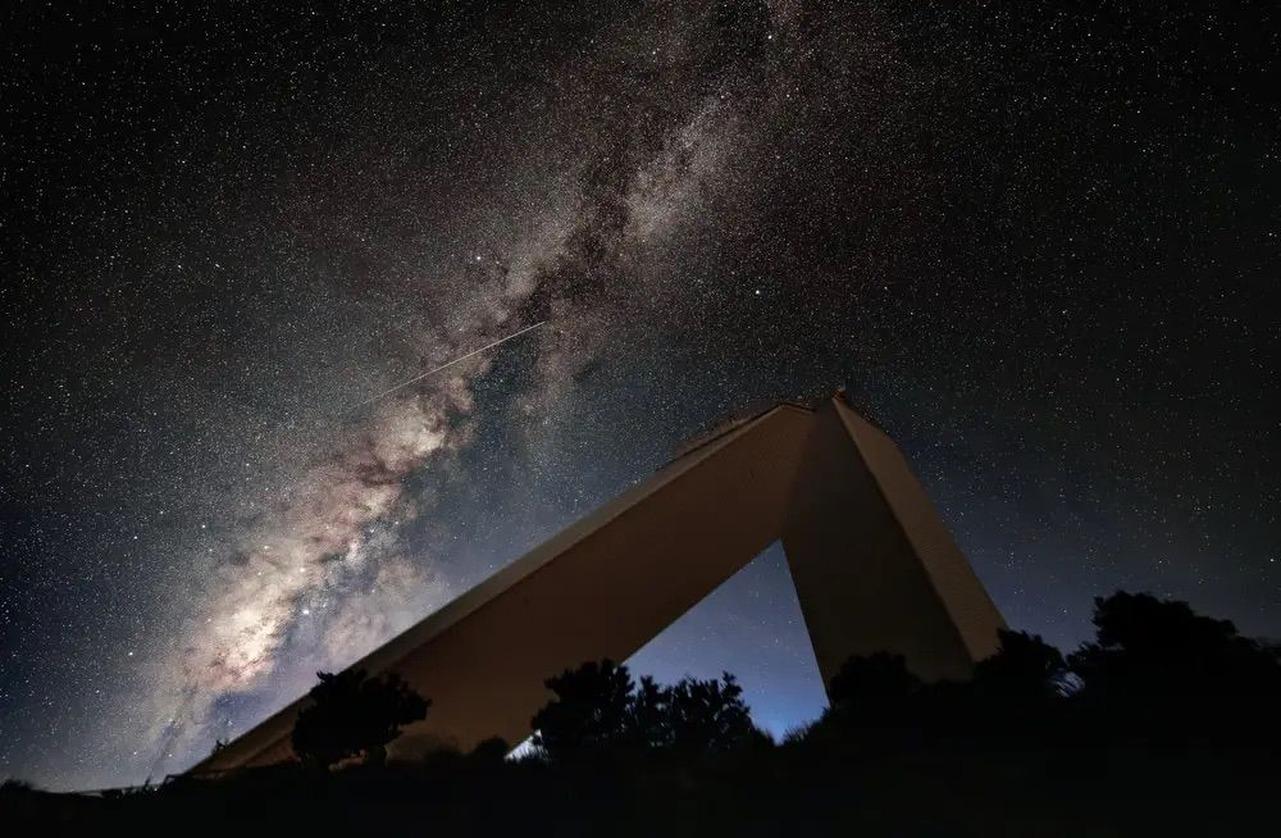
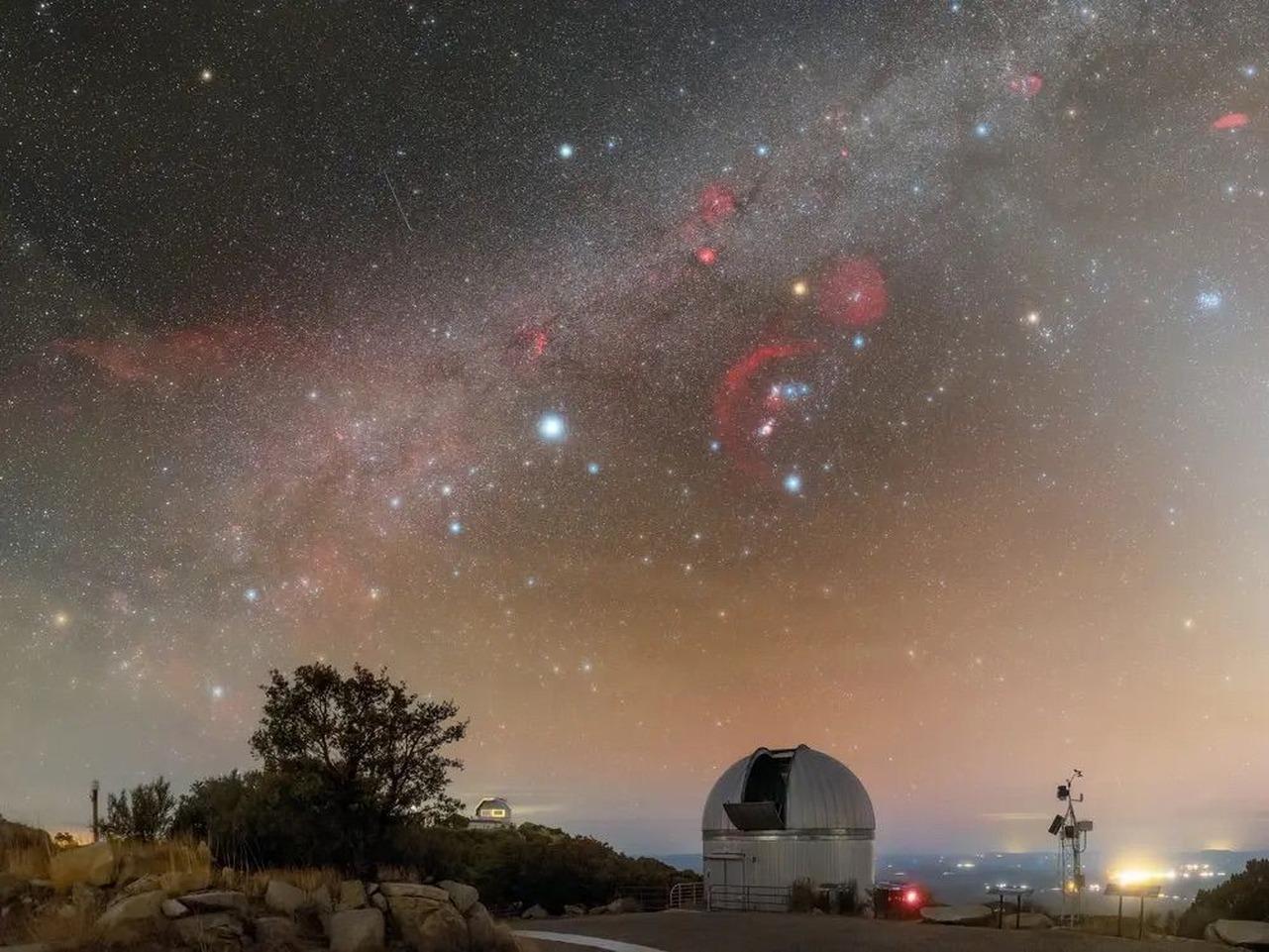
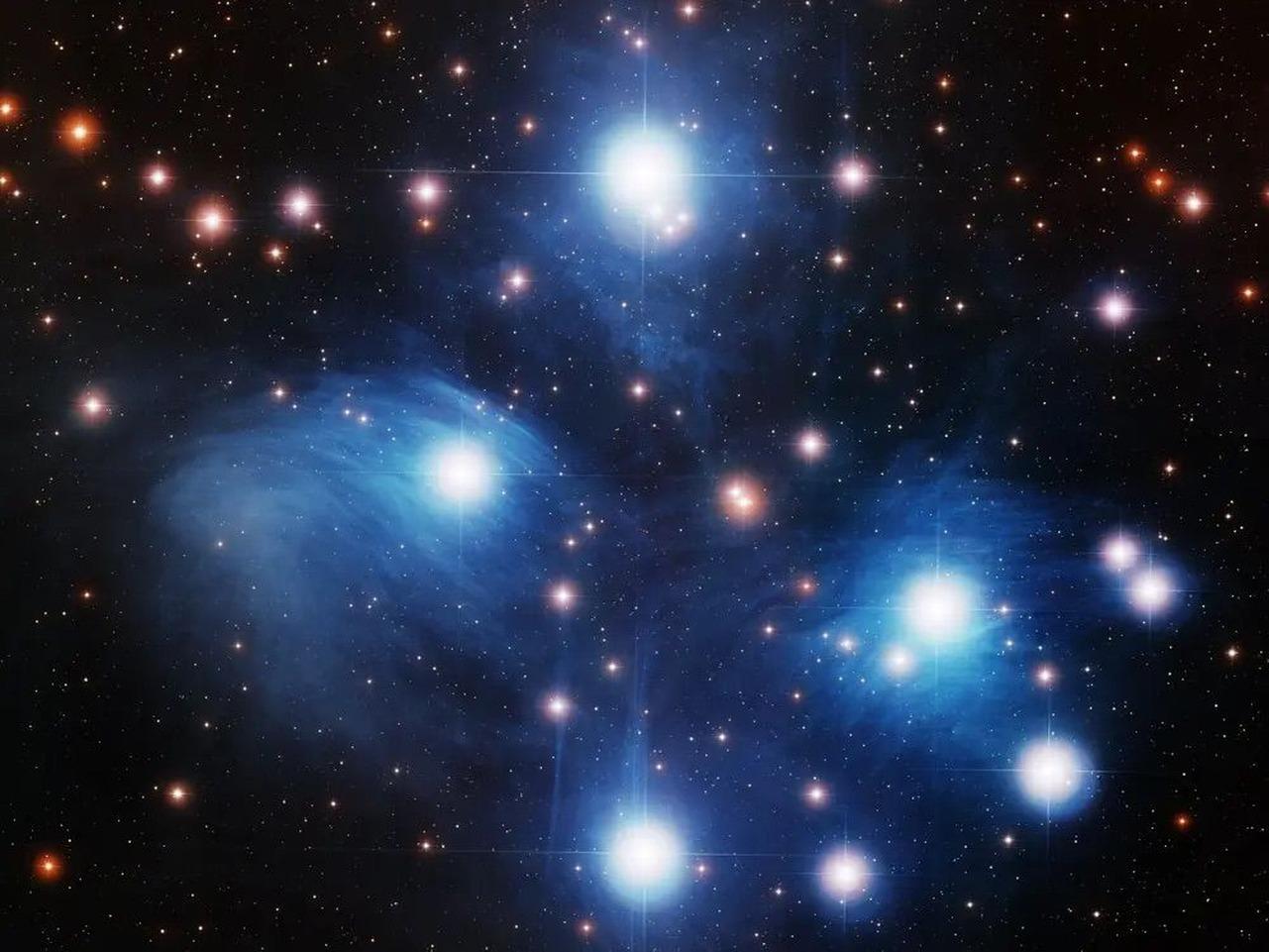
The Sky Above Tucson
The domes on the peaks, the desert dark, and the programs that put you at the eyepiece.
Book Your Experience
Check Availability & Prices
Select your preferred date and time. Instant confirmation — free cancellation up to 24 hours before departure.
Tucson's Observatories, Priced Against Each Other
The comparison nobody publishes: the national observatory you can book tonight, the university mountaintop that sells direct, and the in-town planetarium. Grounded August 2026.
| Feature | BOOKABLE NIGHTLY · OFFICIAL PROGRAMS Kitt Peak National Observatory | Mt Lemmon SkyCenter | Flandrau Science Center |
|---|---|---|---|
| Price | Night programs $59–$109 · daytime tour $25 · admission $15 — free cancellation to 24h | SkyNights about $85 adult / $60 youth plus fees — sold direct only, no resale anywhere | Around $15 general admission — planetarium shows on the University of Arizona campus |
| The night experience | Docent-led telescope viewing at a working national observatory, 6,880 ft, runs nightly year-round | 5-hour evening at 9,000+ ft behind the largest dedicated public telescopes in the Southwest — 28 seats, seasonal pauses (returning September) | Domed planetarium shows — weatherproof, air-conditioned, small-child friendly |
| Drive from Tucson | About 90 minutes southwest | About 90 minutes up the Catalina Highway | In town, on campus |
| Best for | The one big astronomy night of the trip — bookable, cancellable, runs tonight | Telescope-aperture devotees who planned weeks ahead and hit the season right | Rainy evenings, toddlers, and afternoons that need air conditioning |
| Check Availability | Planetarium Tickets |
The bookable menu
Kitt Peak's Programs, Night and Day
The national observatory is the one you can book tonight — its flagship nightly program, the budget binocular night, the family daytime tour and the full-moon special. Free cancellation on all.
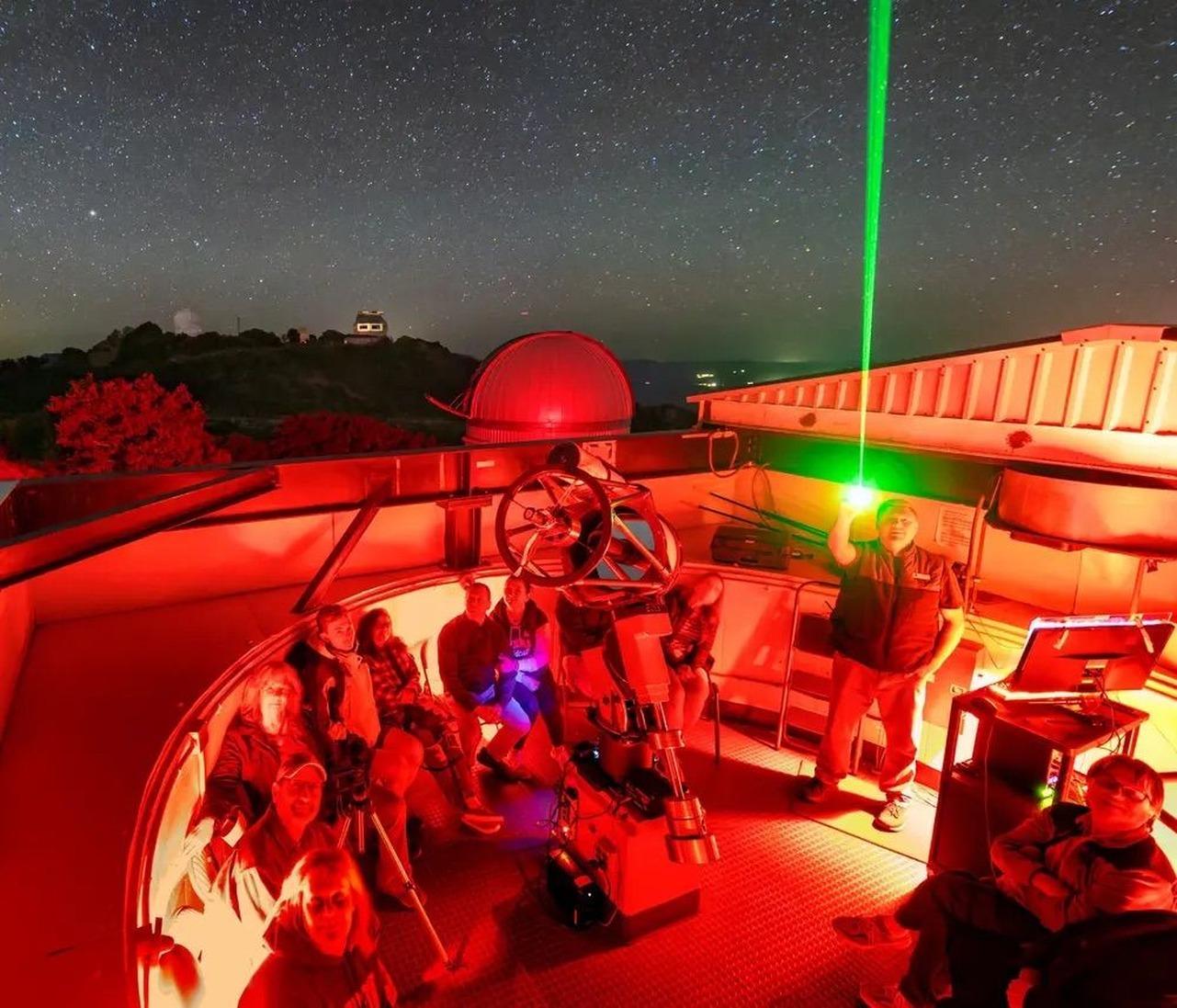 KITT PEAK FLAGSHIP
Tucson: Kitt Peak Nightly Observing Program (NOP) - 2026 (Verified Reviews)
Discover the magic of the night sky at Kitt Peak National Observatory, set nearly 7,000 feet above the Arizona desert. The Nightly Observing Program (NOP) is Kitt …
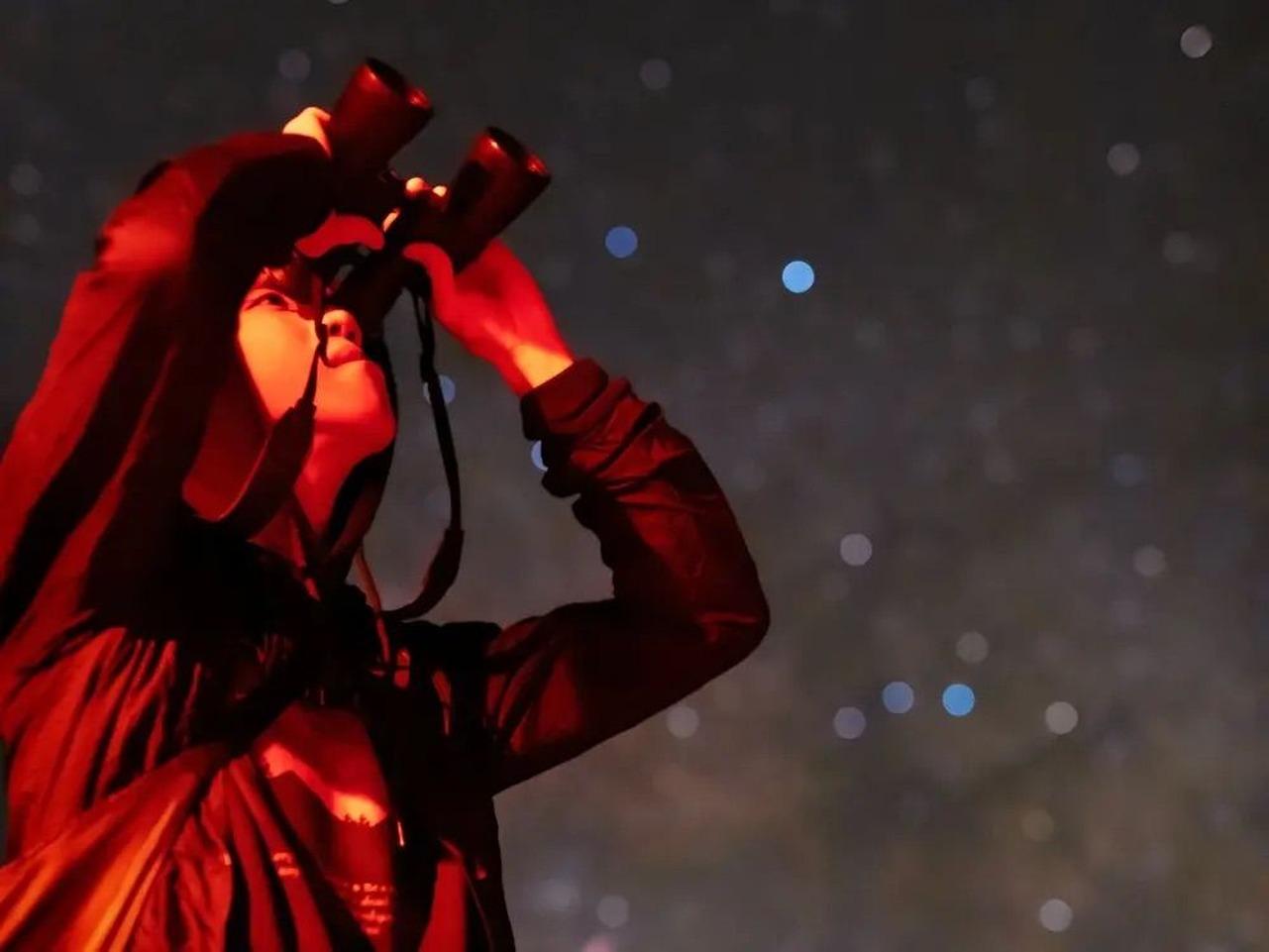 BUDGET NIGHT
Tucson: Kitt Peak Astro 101 Night Sky Binocular Tour - 2026 (Verified Reviews)
Embark on an accessible introduction to astronomy at Kitt Peak National Observatory, perched nearly 7,000 feet above the Arizona desert. Your Astro 101 experience …
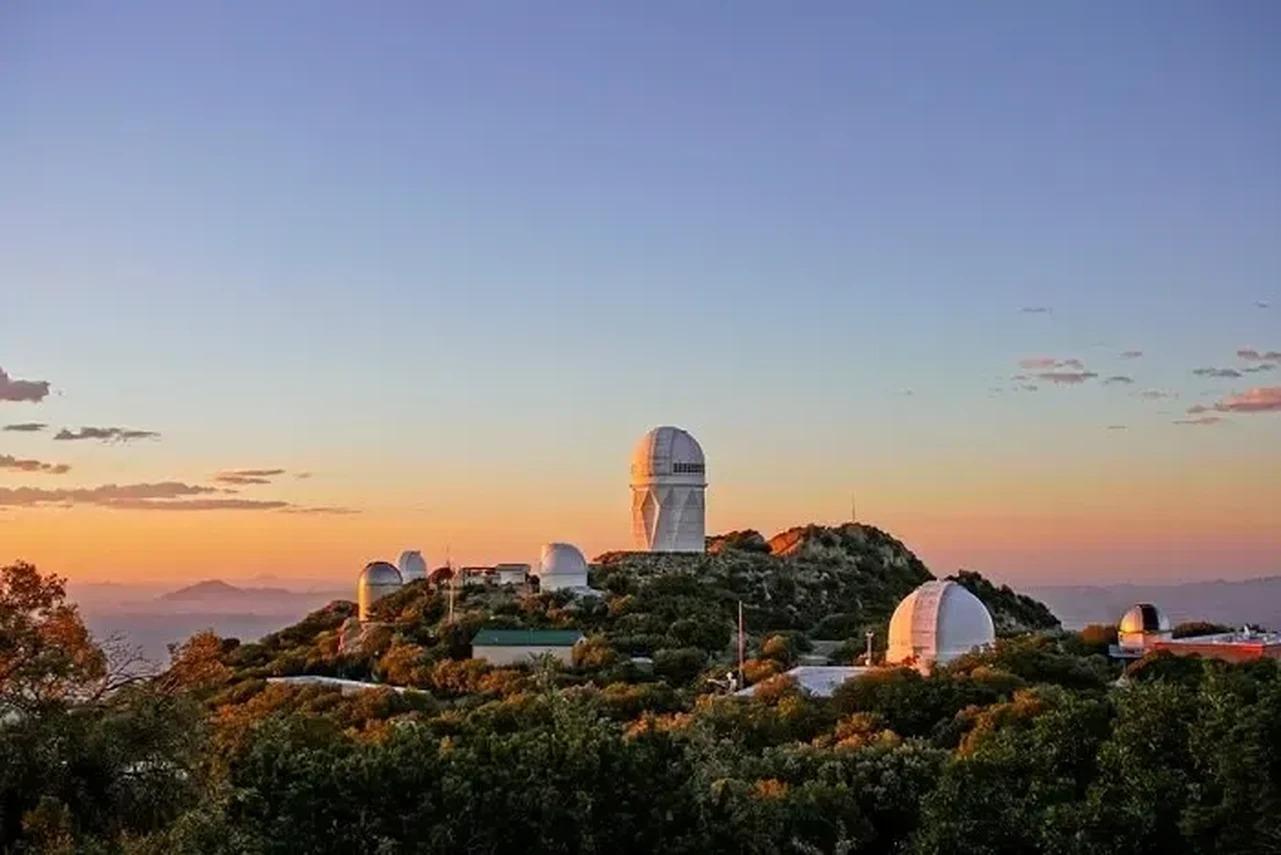 DAYTIME · UNDER-13s FREE
Tucson: Kitt Peak Daytime Guided Observatory Tours - 2026 (Verified Reviews)
Experience the wonders of the universe from the summit of Kitt Peak, just outside Tucson, where daylight hours reveal a world of astronomical discovery. With a range …
 FULL-MOON NIGHTS
Tucson: Kitt Peak Magnificent Moon (MM) Program - 2026 (Verified Reviews)
Begin your tour with a stop at the Visitor Center, where you'll examine the exhibits that describe this national observatory and other interesting topics. Enjoy a …
Tucson has a claim no other city can file: it wrote the world’s first dark-sky law in 1972 to protect the observatories on its mountains, and the organisation that now defends night skies globally — DarkSky International — keeps its headquarters in town. The practical consequence for a visitor is a menu: a national observatory you can book tonight, a university mountaintop that sells 28 seats direct, an in-town planetarium, and desert dark that costs nothing.
This site prices that menu honestly. The bookable centerpiece is Kitt Peak — the observatory’s own programs, provider-verified, from $15 admission to the $109 premium dark-sky night, free cancellation throughout. Kitt Peak against Mount Lemmon SkyCenter, everything open to the public with prices, the free stargazing spots locals actually use, the daylight menu, and the months and moon phases that repay the drive. A city that dimmed its own lights for science deserves a guide this specific.
Book Tucson's Big Sky Night
The national observatory's premium Dark Sky Discovery night — $109 with free cancellation to 24 hours, confirmed by the observatory at noon on the day. Starting from $109 per person.
Check AvailabilityCan't Make These Dates?
Browse More Available Options
Find a tour that fits your schedule — all with instant confirmation and free cancellation.
Tucson Observatories — Frequently Asked Questions
Which observatory is which, what each costs, whether Tucson really is the astronomy capital of the world, and where to stand when you'd rather not pay at all.
Kitt Peak National Observatory — the mountaintop 90 minutes southwest of Tucson with more than 20 research telescopes, on Tohono O'odham Nation land since 1958. It's also the one you can actually book: its own night programs run nightly year-round from $59. How it compares to the others: the open-to-the-public guide.
Yes — seven days a week: Visitor Center 9:00 am to 4:00 pm, daytime guided tours all week ($25, under-13s free on the combo), and the observatory's own night programs from $59 to $109 — the only way to be on the mountain after 4:00 pm. All bookable with free cancellation.
The honest split: SkyCenter's SkyNights points bigger public telescopes at the sky — the largest dedicated public instruments in the Southwest — but sells direct-only, seats 28, and pauses seasonally; Kitt Peak is a working national observatory whose flagship program runs nightly, year-round, with free cancellation. Spontaneous trip: Kitt Peak. Aperture pilgrimage planned weeks out: SkyCenter. The full head-to-head: the comparison.
It has the receipts: the world's first light-pollution ordinance (1972, written to protect the observatories), DarkSky International headquartered in town, a ring of research observatories on the surrounding peaks, and a university that builds telescope mirrors under its football stadium. The claim examined properly: the astronomy-capital guide.
Officially and functionally yes — Tucson's outdoor lighting codes date to 1972 and were most recently tightened in 2024, and Saguaro National Park on the city's edge is a certified Urban Night Sky Place. You can see real stars from town; you see the desert sky properly 30–90 minutes out. Where exactly: the stargazing guide.
Paying: Kitt Peak's night programs — protected sky plus telescopes plus a docent. Free: Gates Pass for sunset into dusk, Saguaro National Park East for certified urban dark sky, and the Catalina Highway pullouts for altitude. The full list with the honest trade-offs of each: Tucson stargazing spots.
The galactic core season runs roughly spring through early fall — rising pre-dawn in March, prime in the evening by June–August, gone by November — and the moon matters as much as the month: aim for the dark half of the lunar cycle. The month-by-month, including monsoon honesty: the best-time guide.
The spread, grounded August 2026: Flandrau planetarium about $15; Kitt Peak Visitor Center admission $15, daytime tour $25, night programs $59–$109 (free cancellation); Mt Lemmon SkyNights about $85 adult plus fees, direct-only. The comparison table on our homepage puts them side by side.
In town: Flandrau — domed shows, air conditioning, no age rules. On the mountain: Kitt Peak's daytime tour takes children under 13 free on the combo; its night programs don't admit under-8s (late, cold, dark, strict lighting). SkyNights is a 5-hour adult-paced evening. The day-by-day family logic: the daytime guide.
Yes — and daytime is the underrated move: Kitt Peak runs 1-hour docent tours inside a working research telescope all week ($25, under-13s free on the combo), Flandrau runs all day on campus, and the SkyCenter offers its own daytime program up the Catalinas. The full daylight menu: observatory day tours.
Kitt Peak's night programs: yes — book a day or two out (the observatory confirms each night at noon; free cancellation covers you), and dinner programs stop including the meal for reservations after 1:30 pm on the day. SkyNights: book well ahead — 28 seats and seasonal pauses. Flandrau: walk-ins are normal.
No — this is an independent comparison and booking guide for Tucson's public astronomy. Kitt Peak is an NSF NOIRLab facility (visitkittpeak.org), the SkyCenter belongs to the University of Arizona (skycenter.arizona.edu), Flandrau is the university's science center (flandrau.org). The bookable listings here are GetYourGuide products — Kitt Peak's are the observatory's own programs, provider-verified — and we earn a commission at no extra cost to you.
Still have questions? Email us at info@tucsonobservatory.com