Tucson Observatories Open to the Public
Every public astronomy door in and around Tucson, priced: Kitt Peak's programs, Mt Lemmon SkyNights, the Flandrau planetarium — and what each actually lets you do.
“Open to the public” hides three different meanings in Tucson: walk-in open, program-only open, and technically-open-but-sold-out-for-weeks. Here is the whole table with the fine print restored — prices grounded August 2026.
The table
| Venue | What’s open | Price | The fine print |
|---|---|---|---|
| Kitt Peak National Observatory | Visitor Center daily 9–4; daytime tours all week; night programs nightly | admission $14.95 · day tour $24.95 · nights $59–$109 | After 4 pm: night-program guests only. Free cancellation on bookings. |
| Mt Lemmon SkyCenter | SkyNights evenings; daytime program | about $85 adult + fees | 28 seats, direct-only sale, seasonal pauses (returning September). |
| Flandrau Science Center | Exhibits + planetarium, on campus | about $15 | The any-weather, any-age option; Thursday planetarium discounts. |
| The free desert | Gates Pass, Saguaro NP East, Catalina pullouts | $0 | Sky only — no telescopes, no docent. The spots guide. |
What “open” actually buys you at each
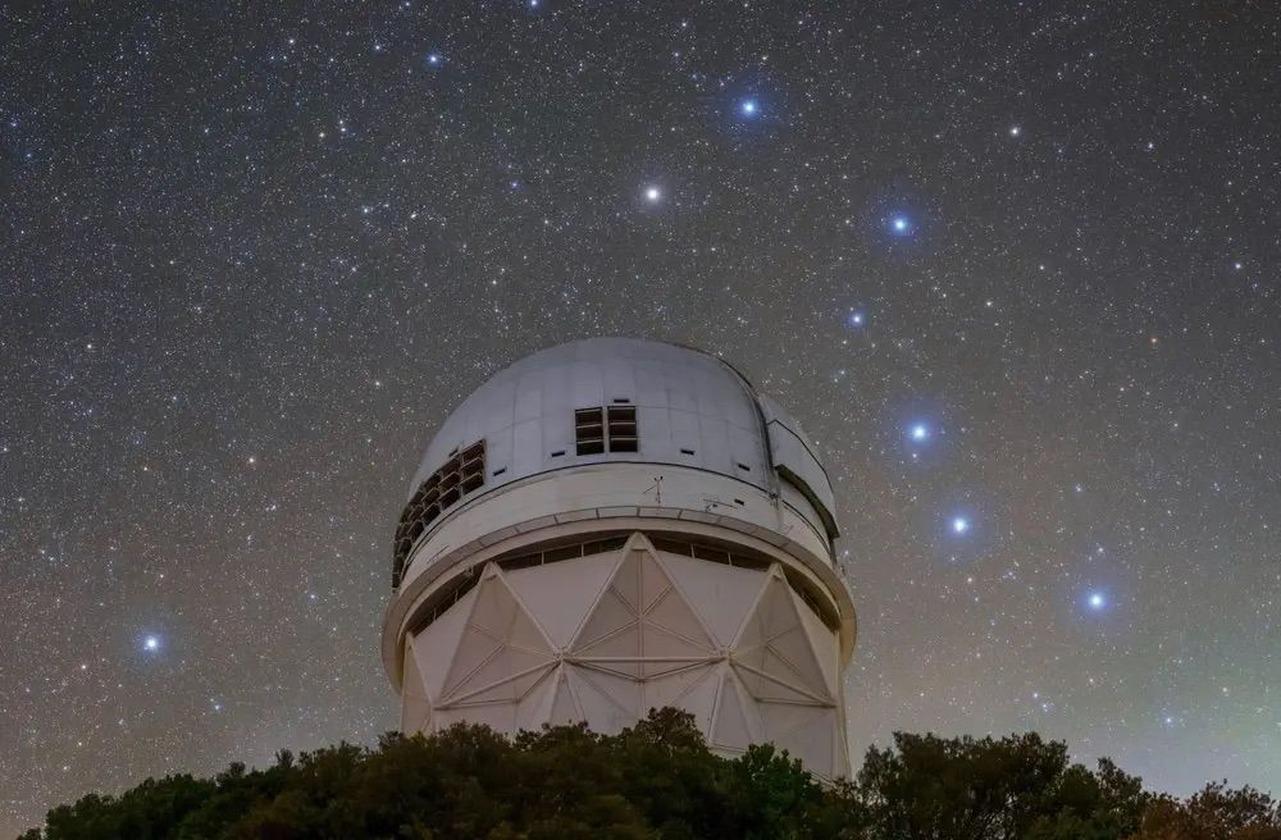
Kitt Peak is the deepest door: the Visitor Center building itself is free to enter by the observatory’s own policy, the $14.95 general admission covers the exhibits and the science center built inside a telescope, and everything beyond — the working research instruments, the night sky — is program-access with the observatory’s own docents. It is the only venue on the table you can book for tonight with a cancellation window.
The SkyCenter is a scheduled-evening product, not a drop-in: no casual summit visiting, one nightly seating when running, sold on the university’s ticketing site alone. Superb, and structurally inflexible.
Flandrau is the honest utility player: a University of Arizona science center with domed planetarium shows, walk-in normal, small children welcome — the answer for monsoon afternoons and toddler evenings that the mountaintops cannot be.
The ones you can’t visit
Completeness demands the negative list: the research summits of the Santa Catalinas and Santa Ritas — and the university’s own working research telescopes — are not general-public venues beyond the programs above. If a website is selling you “access” to a Tucson research telescope outside these channels, read it twice. The region’s public astronomy runs through exactly the doors in the table — and the day-tours guide covers the daylight halves of each.
Can't Make These Dates?
Browse More Available Options
Find a tour that fits your schedule — all with instant confirmation and free cancellation.
Reading the table like a local
The table is static; the year is not. Monsoon season (roughly mid-June to September): Flandrau’s dome ignores the weather entirely, and Kitt Peak’s noon-confirmation-plus-free-cancellation pairing is the only mountain bet with a built-in exit — the direct-sale seat has the most to lose from a thunderhead. Winter: the mountains are cold but the air is at its steadiest — book the night programs and pack like you mean it. Summer with children: daytime is the whole answer — the under-13-free combo tour at the national observatory in the 15–20°F-cooler summit air, or the air-conditioned dome in town. Booking windows differ too: the SkyCenter’s 28 seats want weeks of notice; Kitt Peak’s nightly flagship is realistically bookable days out; Flandrau is a walk-in. The venue you can still get is part of what “open” means.
Book Tucson's Big Sky Night
The national observatory's premium Dark Sky Discovery night — $109 with free cancellation to 24 hours, confirmed by the observatory at noon on the day.
Check Availability