Tucson Stargazing, Honestly
Where locals actually stand: Gates Pass, Saguaro National Park East, the Catalina pullouts — plus why Tucson's sky is legally protected and when to pay for telescopes instead.
Tucson’s sky is not accidentally dark. The city passed the world’s first outdoor-lighting ordinance in 1972 — written explicitly to protect the observatories on the surrounding peaks — has tightened it repeatedly since (most recently in 2024), and hosts the headquarters of DarkSky International, the nonprofit that certifies dark places worldwide. The payoff for a visitor: real stars from the city’s edge, and a genuinely great sky within an hour.
The free spots locals use
- Gates Pass (west, 20 minutes): the sunset classic — watch the light die over the Tucson Mountains, stay as dusk deepens. Best before midnight rather than for all-night depth; bring a red light.
- Saguaro National Park East (30 minutes): a certified Urban Night Sky Place — the world’s ninth — where the park’s lighting discipline meets the city’s. The cactus-silhouette Milky Way photo comes from here.
- Catalina Highway pullouts (45–90 minutes): altitude for free — climbing toward Mt Lemmon lifts you out of the valley haze; every thousand feet buys transparency. Cold, winding, worth it.
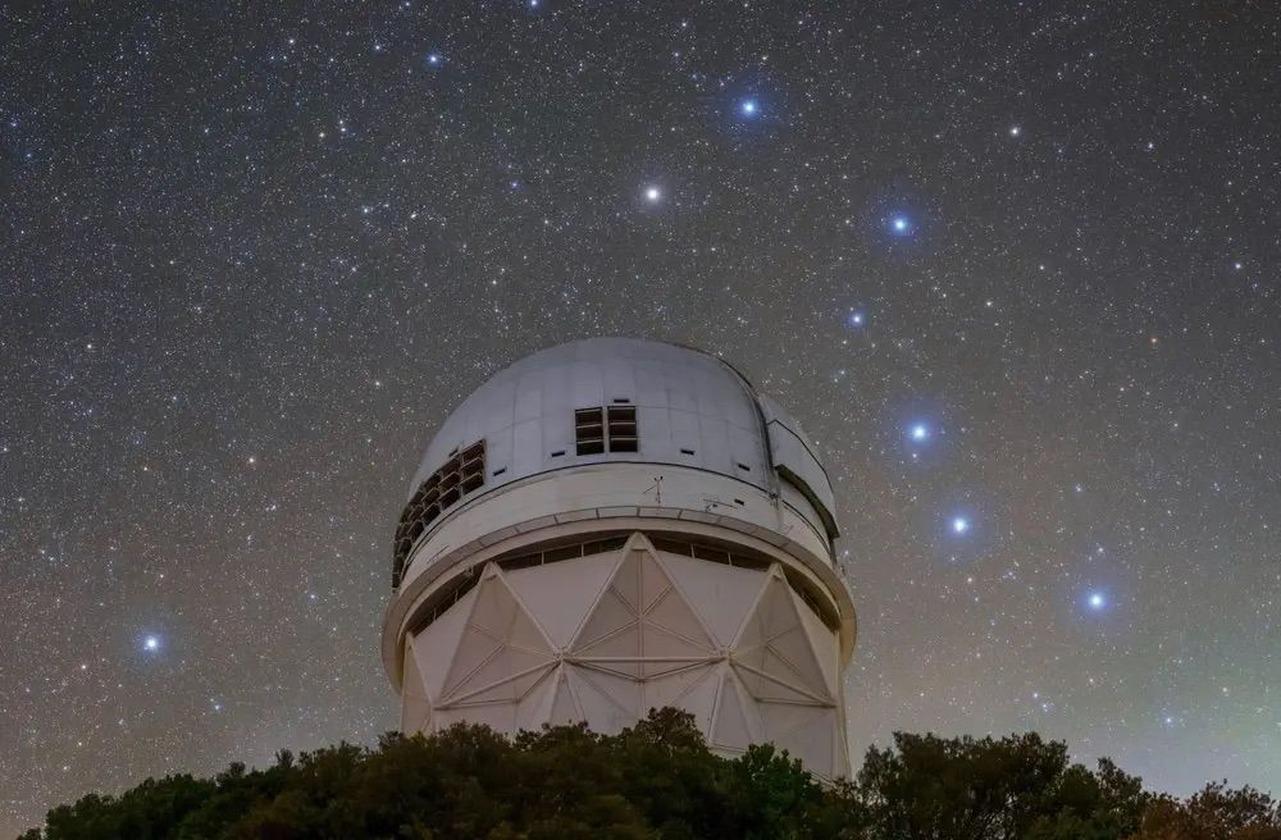
- The drive southwest on AZ-86 toward the national observatory crosses some of the darkest roadside desert in southern Arizona — which is exactly why the telescopes are out there.
Free sky vs paid sky
The free spots give you the sky; the paid nights give you the sky plus optics plus someone who knows it. The honest split: if you own binoculars and a star app, Gates Pass on a moonless night is a wonderful zero-dollar evening. If you want to see — a globular cluster resolved, Saturn’s rings, a nebula through serious glass — that requires the telescope programs, and in Tucson that realistically means the national observatory’s nightly evenings from $59, bookable with free cancellation.
A middle path exists too: local astronomy outfits run guided telescope evenings closer to town — Chameleon Stargazing is the best-reviewed of the independents — and the amateur clubs hold public star parties in season. Good options when the mountain doesn’t fit the evening.
Etiquette of a dark-sky town
The ordinance is a culture, not just a law: use red lights, park facing away from other observers, kill the headlights promptly, and give your eyes the true half hour they need to dark-adapt. The same courtesies scale up — they are literally the rules on the research mountain. Heading north after Tucson? sedonastargazingtour.com covers the red-rock dark-sky scene two hours up the interstate, where the same etiquette applies under different geology.
Can't Make These Dates?
Browse More Available Options
Find a tour that fits your schedule — all with instant confirmation and free cancellation.
The kit that actually matters
Skip the impulse-bought telescope — the classic beginner mistake in a dark-sky town. The kit that earns its car space: binoculars (any decent pair shows Jupiter’s moons and resolves star fields the naked eye cannot), a red flashlight or red phone-screen mode, a star-map app used before full dark, camp chairs, and more layers than a desert seems to justify — clear desert nights radiate heat away fast, and winter Catalina pullouts are alpine. Phone cameras with night mode, braced on a rock, genuinely capture the Milky Way over saguaro silhouettes at Gates Pass — the shot that fills the city’s postcards costs nothing but patience. And arrive early enough to park facing away from the viewpoint: the courtesy that marks the locals is never sweeping headlights across thirty dark-adapted eyes.
Book Tucson's Big Sky Night
The national observatory's premium Dark Sky Discovery night — $109 with free cancellation to 24 hours, confirmed by the observatory at noon on the day.
Check Availability